
Limb Salvage and Amputee Care in Chicago, IL
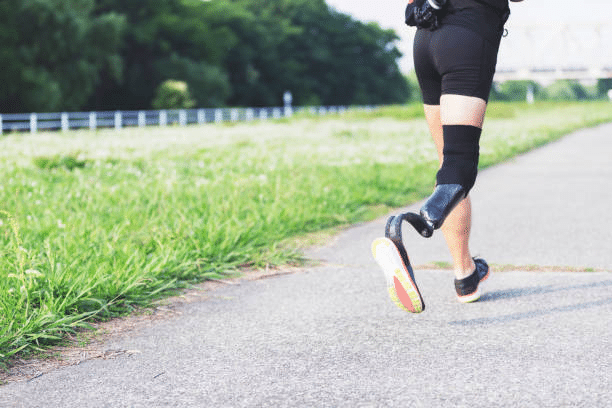
When trauma, infection, or severe complications from disease threaten your hand or arm, upper extremity limb salvage offers a chance to preserve both form and function.
Talented reconstructive surgeon Dr. Lindsay E. Janes specializes in upper extremity reconstruction, helping patients retain their independence after devastating injuries. She uses advanced surgical techniques to help stop the damage and prevent limb loss in patients with complex upper limb conditions.
What Is Limb Salvage?
Limb salvage is a surgical approach focused on preserving the arm or hand after severe injury or disease. Instead of removing the limb, treatment involves repairing damaged structures, such as bones, blood vessels, nerves, and soft tissues, to restore function.
In upper extremity cases, this may include advanced reconstructive techniques to improve circulation, movement, and sensation. Limb salvage is often performed in stages, with each treatment plan tailored to the patient’s condition and long-term goals.
When Is Limb Salvage Needed?
Limb salvage is considered when damage to the arm or hand is so significant that it compromises blood supply, soft tissue, bone integrity, or nerve function.
Examples of cases when limb salvage surgery might be necessary include:
- Traumatic injuries such as crush injuries or open fractures. Another example is degloving, in which the skin is physically torn off and visibly separated, often exposing muscles, tendons, or bone, or when the skin separates from the tissue underneath it without tearing off.
- Severe infections causing tissue death
- Bone and tissue cancers affecting the hand or arm. This may include cancers that originate there and metastatic bone cancer that started in another part of the body and spread to the bone in the hand or arm. Another example of cancer-related limb salvage may involve repair following oncology surgery, like a tumor resection that results in extensive tissue loss.
- Chronic disease complications, including chronic non-healing wounds, infections, and other serious complications of diabetes or vascular disorders.
Choosing Limb Salvage vs. Amputation
The decision to attempt limb salvage instead of amputation depends on multiple factors, including the extent of the damage, the amount of tissue available for reconstruction, the patient’s overall health, and the patient’s functional goals.
What Limb Salvage Can Achieve
In upper extremity cases, the goal of limb salvage isn’t just to save the limb: It’s to return as much function as possible.
After initial evaluation and imaging, Dr. Janes will develop a treatment strategy designed to protect viable tissue, restore blood flow, and prepare for reconstruction.
Her goals for limb salvage involve reconstructing the delicate nerve, tendon, and muscle tissue to allow for improved sensation and function. Surgeries such as nerve grafting, tendon transfer, and muscle transplant, which are all procedures that Dr. Janes routinely performs as an experienced reconstructive surgeon, may play a key role in recovery.
In some cases, she may also stabilize or repair bony structures to support mobility and strength in the hand and arm.
Each plan is tailored to the patient’s condition and long-term goals.
Limb salvage is a complex process that often unfolds in stages. Patients may require multiple surgeries as part of their recovery, followed by dedicated rehabilitation to regain strength and function.
Dr. Janes works closely with therapy providers, other surgeons, and other members of your care team to ensure you have the best possible experience and recovery.
Limb Salvage: Preserving What Matters Most
Keeping your arm or hand isn’t just about appearance. It’s about holding your loved one’s hand, preparing your own meals, getting dressed without stress, returning to the work you love, or doing the things that matter most to you.
Whatever your reasons may be, Dr. Janes understands that the decision to undergo limb salvage is a deeply personal one. She takes the time to learn and understand your motivations and what you hope to gain from the surgery.
Then, she works hand-in-hand with you to develop a realistic and empowering treatment plan.
Limb Salvage Consultations in Chicago
Limb-threatening injuries or complications don’t have to mean loss of your arm or hand. Dr. Lindsay E. Janes provides thoughtful, advanced care that focuses on preserving limb integrity and restoring everyday function. To schedule a consultation, call (312) 695-6022.
Why Choose Dr. Lindsay E. Janes for Limb Salvage and Amputee Care?
Dr. Lindsay E. Janes has advanced training in upper extremity reconstruction, with a focus on complex limb salvage and nerve repair. She earned her medical degree from the University of Maryland School of Medicine and completed her plastic surgery residency at the McGaw Medical Center of Northwestern University. She further specialized through a fellowship in hand and peripheral nerve surgery at the University of Pennsylvania, where she gained extensive experience in brachial plexus reconstruction, nerve transfer procedures, and limb preservation techniques.
As an Assistant Professor of Surgery at Northwestern University Feinberg School of Medicine, Dr. Janes is actively involved in research, clinical care, and surgical education. She has authored numerous peer-reviewed publications and presented nationally on limb salvage, nerve reconstruction, and functional restoration, bringing a high level of expertise to patients facing complex upper extremity conditions.
Frequently Asked Questions
Will I Need Multiple Surgeries for Limb Salvage?
Limb salvage is often performed in stages, especially in complex cases involving significant damage to bone, tissue, or nerves. Initial procedures may focus on stabilizing the injury and restoring blood flow, followed by reconstructive surgeries to improve function and appearance. The number of procedures depends on the severity of the condition and the treatment goals.
What Role Does Physical Therapy Play After Limb Salvage?
Following limb salvage, rehabilitation is important for restoring movement, strength, and coordination in the affected arm or hand. A structured physical therapy plan supports nerve recovery and functional use, helping patients return to daily activities as safely and efficiently as possible.
How Much Function Can Be Restored After Limb Salvage?
The level of function restored varies based on the extent of the injury and the structures involved. Many patients regain meaningful movement and sensation, allowing them to perform essential daily tasks. Treatment focuses on maximizing strength, coordination, and independence, even if full function cannot be completely restored.
What Are the Risks of Limb Salvage Surgery?
As with any complex surgical procedure, limb salvage carries potential risks. These may include infection, delayed healing, reduced circulation, or incomplete functional restoration. Careful surgical planning, close monitoring, and adherence to rehabilitation guidelines all play an important role in minimizing complications and supporting recovery.