
Spinal Cord Injury – Upper Extremity Reconstruction in Chicago, IL
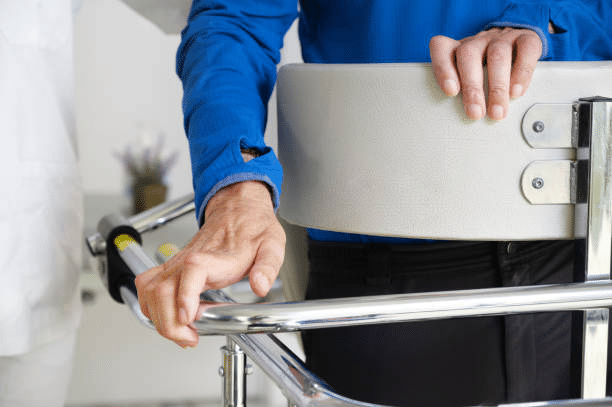
When a spinal cord injury (SCI) affects your arms and hands, even basic tasks, like feeding yourself, brushing your teeth, or getting dressed, can become a frustrating challenge.
Upper extremity surgery offers the possibility of regaining meaningful function and independence, especially for individuals with cervical spinal cord injuries who still have strength in the shoulders and biceps.
Fellowship-trained plastic and reconstructive surgeon Dr. Lindsay E. Janes specializes in restoring movement and control after spinal cord injury. c
Why Is Upper Extremity Surgery Considered After SCI?
Dr. Janes may recommend surgical reconstruction after a spinal cord injury that leaves you unable to carry out the normal daily activities of living, like eating, grooming, and dressing.
The best surgical candidates are people who experience a cervical spinal cord injury but who retain strength in their shoulder and elbow flexor muscles. It’s important to have this muscle function to participate actively in physical therapy after surgery.
Surgery is considered to:
- Improve your ability to perform essential daily tasks like eating, grooming, and dressing
- Correct joint deformities caused by spasticity or long-term immobility
- Prevent complications such as skin breakdown and contractures due to poor movement
These surgeries are highly personalized and designed to support your goals for daily function and independence.
Surgeries for Upper Extremity Reconstruction After SCI
The best surgical approach depends on your level of injury, overall health, and how much time has passed since your spinal cord injury. Dr. Janes will evaluate your movement, strength, and goals before recommending a treatment plan. Common surgical options include:
- Tendon Transfer Surgery: This technique reassigns a functioning muscle to take over the work of a paralyzed one. It can improve elbow extension, pinch, and grip. Tendon transfers can be performed any time after injury, and strength gains are often seen within 12 weeks.
- Nerve Transfer Surgery: This approach reroutes healthy nerves from above the level of injury to muscles that have lost function. You must have surgery within six to eight months of the injury to be effective. Recovery is a gradual process, and it may take up to two years to regain full strength.
- Tendon Lengthening: For patients with shortened tendons due to long-term stiffness, tendon lengthening can help relax stiffened hands.
- Spasticity Surgery (Hyperselective Neurectomy): To reduce involuntary muscle activity, this procedure selectively cuts overactive motor nerve branches. It helps improve control while preserving as much normal movement as possible. Dr. Janes often recommends trying Botox injections, which temporarily reduce movement, in the area first to assess the effectiveness of this approach.
- Joint and Bone Surgery: These surgeries help improve alignment and range of motion. In some cases, joint fusion can stabilize the hand in a functional position for better control and strength.
What to Expect After Surgery
Dr. Janes works with you to design a recovery plan with clear goals and timelines. Some procedures require splinting or casting, and all patients will need post-operative therapy. Most patients experience only mild to moderate pain, which is typically managed with short-term medication.
Spinal Cord Injury FAQs
Am I too late to consider upper extremity reconstruction after a spinal cord injury?
It depends on the type of procedure. Nerve transfers require evaluation within several months of injury because muscles lose their ability to respond without nerve input. Tendon transfers, joint procedures, and certain spasticity surgeries may remain possible even years after injury. Dr. Janes evaluates your muscle strength, joint flexibility, and overall health to determine which options may still provide meaningful improvement.
Can surgery improve hand function after a spinal cord injury?
Yes. Surgery may restore specific functional movements, such as pinch, grasp, or elbow extension, depending on the extent of your injury and your remaining muscle strength. The goal is to improve independence with daily activities rather than return the hand to pre-injury function. Even focused improvements can significantly enhance self-care and mobility.
Is surgery an option for hand paralysis after spinal cord injury?
It may be. Many individuals with cervical spinal cord injuries retain strength in certain muscles above the level of injury. Dr. Janes evaluates which muscles remain functional and whether they can be redirected through tendon or nerve transfer procedures to restore meaningful movement.
How soon after a spinal cord injury should I see a reconstructive surgeon?
Early evaluation is best because it gives you the most treatment options. Some procedures, such as nerve transfers, work best within months of injury because muscles require nerve input to remain viable. Other procedures, including tendon transfers or joint reconstruction, may remain possible later. A consultation with Dr. Janes helps determine what timing window applies to you.
What determines whether I qualify for tendon or nerve transfer surgery?
Candidacy depends on muscle strength, joint flexibility, overall health, and your ability to participate in rehabilitation. Dr. Janes performs a detailed physical examination and may review nerve studies to assess which muscles can power new movement. Surgical planning focuses on maximizing usable function.
What improvements are realistic after surgery for spinal cord injury?
Results vary based on injury level and muscle condition. Many patients gain improved ability to feed themselves, operate a wheelchair, manage transfers, or perform grooming tasks. Surgery targets practical movements that translate into everyday independence rather than cosmetic change.
How important is hand therapy after spinal cord injury surgery?
Hand therapy is a key part of your recovery. It helps retrain muscles, improve coordination, and protect the work done during surgery. With steady participation, many patients see meaningful improvements that support greater independence in daily life.
Surgery Consultations After SCI
Dr. Janes is a fellowship-trained plastic and reconstructive surgeon with unique expertise in upper extremity reconstruction after spinal cord injury.
She compassionately listens, actively supports you, and helps you develop a plan that helps you regain control, improve function, and reclaim your independence.
To schedule your appointment with Dr. Lindsay E. Janes after spinal cord injury, call (312) 695-6022.