Stroke and Spasticity in Chicago, IL
Up to 43% of people who experience a stroke may have spasticity within one year. This common and frustrating complication can cause stiffness, pain, and severe muscle tightness, disrupting daily life. If that sounds familiar, there’s new hope through advanced surgical procedures.
In her Chicago, IL, practice, elite fellowship-trained plastic and reconstructive surgeon Lindsay E. Janes offers advanced surgical solutions for people whose spasticity does not respond to medication or therapy.
Her goal is to help patients move more freely, feel more comfortable, and regain independence after a stroke.
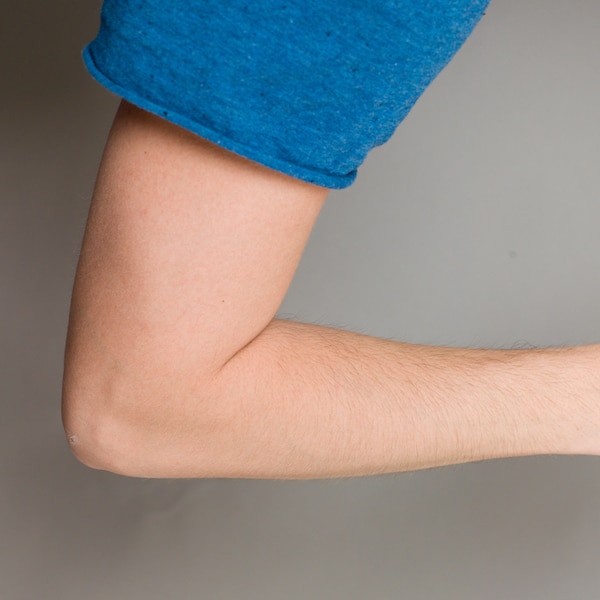
Flexed Elbow
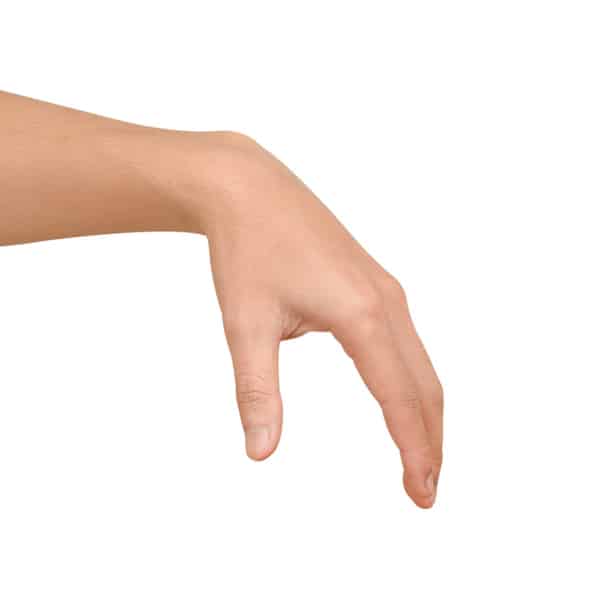
Bent Wrist
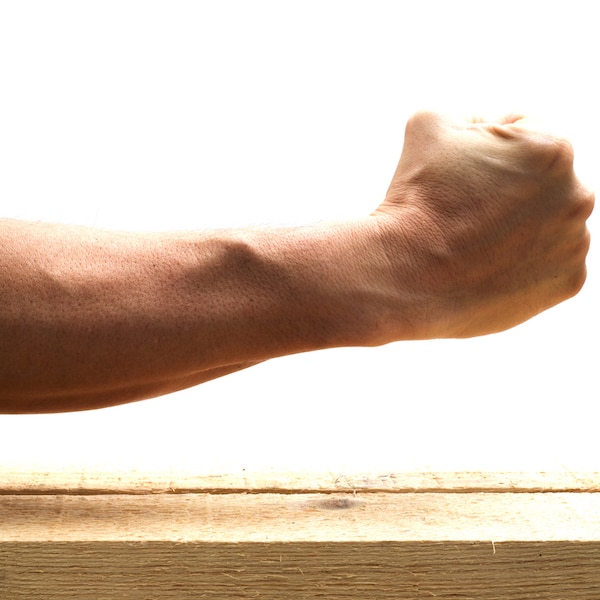
Pronated Forearm
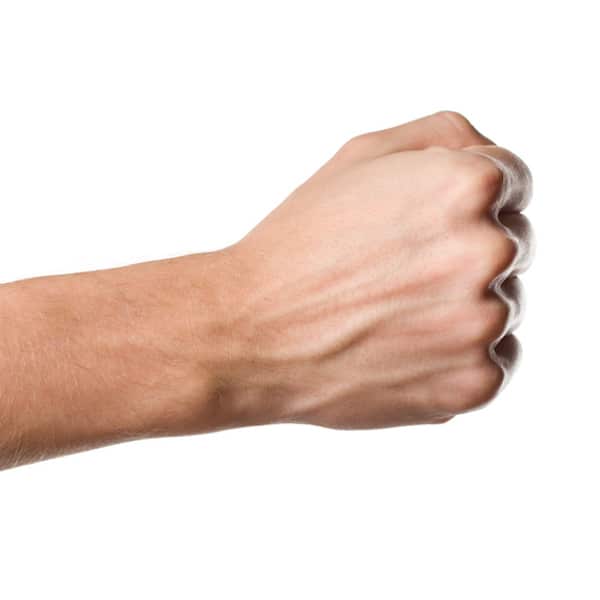
Clenched Fist
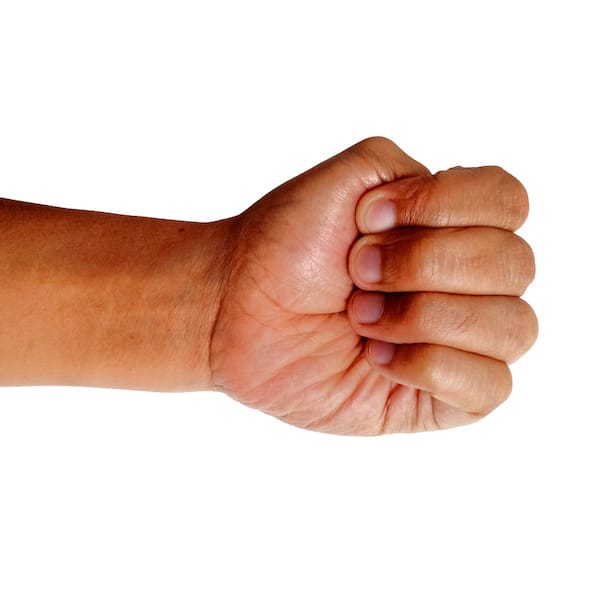
Thumb in palm
Understanding Spasticity After Stroke
A stroke affects the brain’s ability to communicate with the muscles. It can cause spasticity, characterized by involuntary muscle contractions and increased muscle tone, particularly in the hands, arms, and shoulders.
Because they’re constantly active, the affected muscles become stiff, tight, or resistant to movement. People who struggle with spasticity after a stroke often have a clutched hand, rigid fingers, or other issues with their hands and arms.
Problems Spasticity Causes After Stroke
Spasticity after a stroke can cause common symptoms, including:
- Stiffness and tightness in the arms or hands
- Muscle spasms or jerking movements
- Pain when trying to stretch the fingers or open the hand
- Difficulty with fine motor tasks like dressing, hygiene, or eating
For some people, these symptoms may gradually improve with the right therapy.
For others, spasticity persists or even worsens over time. This can cause serious problems, such as contractures, in which the affected muscles, tendons, and joints permanently shorten, as well as joint deformities and a reduced quality of life.
When Is Spasticity Surgery Considered?
If nonsurgical treatments are not enough, surgery may be a helpful next step. Dr. Janes offers several surgical techniques to relieve spasticity and restore function, including hyperselective neurectomy, tendon lengthening, and joint and bone procedures.
Surgery may be considered if spasticity:
- Causes contractures or joint deformities
- Limits your ability to complete basic tasks
- Causes chronic pain
- Presents hygiene concerns
- Doesn’t improve with nonsurgical approaches
- Improves after Botox injections
It’s also important to understand that physical therapy is an integral part of recovery, so you must be able to participate in it actively to be a good candidate.
Dr. Janes carefully evaluates each patient’s goals and function. She meets with every patient personally to understand how spasticity affects their lives. She formulates a highly personalized surgical approach to match your individual needs, stage of recovery, and potential for improvement.
Dr. Janes draws upon her specialized training in nerve and reconstructive surgery to offer thoughtful, comprehensive care.
What to Expect After Spasticity Surgery
Mild to moderate discomfort is normal after surgery and typically improves within a few days. Pain is usually managed with oral medications.
Some surgeries, like neurectomy, require only a short period of soft dressing care. Others, such as tendon lengthening, may require splinting and therapy for several weeks.
Dr. Janes works closely with physical therapists and other members of your medical care team to guide your recovery and help you make meaningful functional gains to improve your quality of life in the long term.
Stroke and Spasticity FAQs
How do I know if my spasticity is severe enough for surgery?
Surgery may become an option when muscle tightness limits hygiene, causes persistent pain, interferes with daily tasks, or causes joint stiffness that therapy can’t correct. Dr. Janes evaluates how spasticity affects your movement, comfort, and independence before recommending any procedure.
Is it better to have surgery soon after a stroke or wait?
Spasticity often evolves. Many patients first try physical therapy, splinting, and medication. If muscle tightness stabilizes but continues to limit function, surgery may offer benefit. Dr. Janes considers your neurologic recovery, response to prior treatments, and current goals before recommending next steps.
Will surgery eliminate spasticity?
Surgery aims to reduce abnormal muscle overactivity and improve positioning and comfort. It doesn’t reverse the underlying brain injury. Many patients experience improved range of motion, easier hygiene, and better function, but results vary depending on the condition of the muscles and joints.
What if my hand has been clenched for years?
Long-standing tightness can lead to tendon shortening and joint stiffness. Even in chronic cases, spasticity procedures such as tendon lengthening or selective nerve surgery may improve hand position and ease of care. Dr. Janes assesses your joint mobility and muscle balance to determine realistic improvement.
Can surgery improve pain caused by spasticity?
Yes. Constant muscle contraction can strain joints and soft tissues. By reducing abnormal muscle signals or releasing tight structures, surgery may decrease discomfort and make your daily activities easier.
What role does therapy play after spasticity surgery?
Therapy plays an essential role in your recovery after surgery. Structured rehabilitation helps retrain muscles, maintain improved range of motion, and reduce the risk of recurring tightness. With consistent participation in therapy, many patients make meaningful functional gains that improve comfort, mobility, and independence over time.
Help With Post-Stroke Spasticity in Chicago, IL
If post-stroke spasticity is affecting your ability to move or care for yourself, surgical treatment may help. Dr. Lindsay E. Janes specializes in procedures that improve the quality of life for stroke survivors.
Call us today at (312) 695-6022 to schedule a consultation with a leading upper extremity surgeon in Chicago.